

Sacred Tanjore paintings, also known as Thanjavur paintings, hold a special place in Indian spiritual and artistic traditions. Unlike ordinary decorative art, these paintings are deeply connected to devotion, temple culture, and religious rituals. For centuries, sacred Tanjore paintings have been worshipped as visual representations of divine energy, making them a timeless and revered art form.
Origin of Sacred Tanjore Paintings in Temple Culture
The roots of Tanjore paintings can be traced back to Tamil Nadu during the reign of the Chola dynasty. This art form originated in and around the temple town of Thanjavur, where artists created paintings primarily for temples, royal prayer chambers, and palace altars.
Sacred Tanjore paintings were never meant for casual decoration. They were created to support meditation, prayer, and spiritual focus, helping devotees connect with the divine through visual devotion.
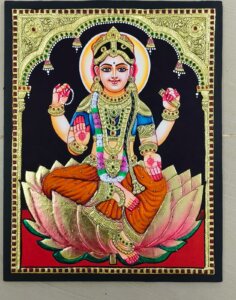
Depiction of Deities in Sacred Tanjore Paintings
One of the most important aspects of Tanjore paintings is the depiction of Hindu gods and goddesses. These paintings commonly portray:
-
Lord Ganesha
-
Goddess Lakshmi
-
Lord Murugan
-
Lord Krishna
-
Lord Rama
-
Lord Hanuman
-
Shiva and Parvati
-
Ayyanar
Each deity is painted following strict traditional iconography, ensuring spiritual accuracy. The facial expressions, ornaments, hand gestures, and symbols all carry religious meaning, making sacred Tanjore paintings suitable for daily worship and pooja rooms.
Use of 22K Gold Foil in Sacred Tanjore Paintings
A defining feature that elevates Tanjore paintings is the use of real 22K gold foil. In Indian culture, gold symbolizes purity, prosperity, and divine light. The gold foil used in sacred Tanjore paintings is carefully embedded to create a radiant, lasting glow.
This gold work is not merely ornamental. It represents:
-
Eternal spiritual energy
-
Divine presence
-
Auspiciousness and abundance
The luminous effect of gold enhances the sacred aura of Tanjore paintings, making them ideal for prayer spaces.
Traditional Materials Used in Sacred Tanjore Paintings
Authentic Tanjore paintings are created using natural, time-tested materials such as:
-
Cotton cloth
-
Limestone and chalk powder
-
Arabic gum
-
Natural pigments
These materials are prepared using traditional methods passed down through generations. The process itself is slow, disciplined, and often done with devotional intent, reinforcing the sacred nature of Tanjore paintings.
Raised Relief Work Symbolizing Divine Power
Another unique feature of Tanjore paintings is the raised or embossed relief work. The crowns, jewelry, and ornaments of the deities are sculpted in raised form, giving the painting a three-dimensional effect.
This raised work symbolizes:
-
The supremacy of divine beings
-
Spiritual elevation beyond the material world
-
The living presence of the deity
The depth and grandeur of this relief work contribute to the powerful spiritual impact of sacred Tanjore paintings.
Sacred Tanjore Paintings and Vastu Significance
Many believers consider this as powerful sources of positive energy. According to Vastu Shastra, placing paintings of deities in the right direction helps maintain harmony and spiritual balance at home.
For example:
-
Lakshmi Tanjore paintings invite wealth and prosperity
-
Ganesha paintings remove obstacles
-
Murugan and Ayyanar paintings provide protection
Because of these beliefs, sacred Tanjore paintings are commonly gifted during housewarming ceremonies, weddings, and religious occasions.
Role of Sacred Tanjore Paintings in Daily Worship
In traditional households, Tanjore paintings are treated with the same reverence as idols. They are adorned with flowers, lamps are lit in front of them, and daily prayers are offered.
Many families preserve sacred Tanjore paintings as spiritual heirlooms, passing them down through generations. This ritualistic use further reinforces their identity as sacred art rather than decorative objects.
Preserving the Sacred Tradition of Tanjore Paintings
The creation of Tanjore paintings requires years of training and devotion. Artisans follow the guru-shishya parampara, ensuring that traditional techniques and spiritual discipline are preserved.
By continuing this practice, artists keep the sacred essence of Tanjore paintings alive even in the modern era, protecting a priceless cultural heritage.
Conclusion: Why Sacred Tanjore Paintings Are Truly Divine
Sacred Tanjore paintings are considered a divine art form because they beautifully combine spiritual devotion, traditional craftsmanship, and religious symbolism. From their temple origins and deity-focused themes to their use of real gold and ritual materials, every element of sacred Tanjore paintings reflects reverence and faith.
Owning a sacred Tanjore painting is not just about art—it is about inviting divine blessings, cultural legacy, and spiritual harmony into your home. This is why sacred Tanjore paintings continue to be cherished as holy and timeless treasures.