

Introduction
Tanjore painting, also known as Thanjavur painting, is one of South India’s most treasured art forms. Known for its rich colors, intricate detailing, and luxurious use of gold foil, the art has evolved from being a royal symbol of devotion to becoming a popular decorative and collectible art form found in homes around the world.
In this blog, we explore the history of Thanjavur painting, its evolution over centuries, and how it successfully transitioned from the royal courts of the Nayakas and Marathas to modern homes and contemporary art markets.
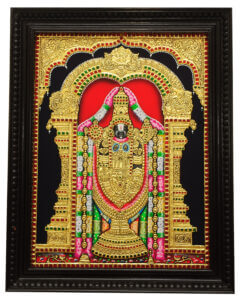
Origins of Tanjore Painting
The origins of Tanjore painting can be traced back to the 16th century, during the rule of the Nayaka dynasty in Thanjavur, Tamil Nadu.
These rulers were known for their love of art, culture, music, and temple architecture. They encouraged painters to create devotional artwork for temples, palaces, and spiritual spaces.
The early purpose of this painting was not decorative. Instead, it was primarily:
-
A spiritual offering
-
A visual representation of divinity
-
A tool for religious education
The art was deeply connected to Bhakti movement, emphasizing devotion and surrender to God.
Royal Patronage under the Maratha Kings
In the late 17th century, Thanjavur came under the rule of the Maratha dynasty, particularly during the reign of King Serfoji II.
This period marked the golden age of Thanjavur painting.
The Marathas invited artists from:
-
Karnataka
-
Andhra Pradesh
-
Maharashtra
These artists brought new techniques and materials, enriching the Tanjore painting style.
During this era, the paintings became more:
-
Elaborate
-
Ornamental
-
Regal
The use of semi-precious stones, embossed relief work, and thick gold leaf became a signature of the art form.
Themes and Iconography
Traditionally, Thanjavur paintings depict Hindu deities, especially:
-
Lord Krishna
-
Lord Shiva
-
Goddess Lakshmi
-
Lord Murugan
-
Lord Vishnu
However, royal patronage also encouraged the portrayal of:
-
Saints
-
Court scenes
-
Historical figures
The central figure in Thanjavur painting is always:
-
Divine
-
Larger than life
-
Calm, powerful, and radiant
The halo behind the deity became symbolic of purity and cosmic energy.
Decline and Revival
After the fall of the Maratha rule in the 19th century, Tanjore painting experienced a decline due to:
-
Lack of patronage
-
Social and political changes
-
Shift towards modern art
However, in the 1950s and 1960s, the art witnessed a revival thanks to:
-
Art historians
-
Cultural organizations
-
Traditional artist families
These groups worked tirelessly to preserve the original techniques and materials, including:
-
Gesso relief work
-
Gold leaf application
Transition into Modern Homes
From the late 20th century onwards, Tanjore painting began to re-emerge as a luxury décor item.
Modern homeowners and art collectors started to value:
-
Its divine imagery
-
Heritage appeal
-
Investment value
Today, Tanjore painting is used to decorate:
-
Living rooms
-
Puja rooms
-
Office spaces
-
Hotels
-
Art galleries
It brings elegance, prosperity, and spiritual energy to any space.
Modern Innovations
While traditional styles remain popular, modern artists have introduced updates such as:
-
Contemporary color palettes
-
Non-religious themes
-
Customized portraits
-
Fusion with acrylics
-
LED-lit displays
Yet, most artists still preserve the core elements:
-
Gesso embossing
-
Gold foil
-
Jewel work
-
Divine symbolism
These innovations help Tanjore painting remain relevant and appealing to younger generations.
Role of Tanjore Painting in Today’s Art Market
Thanjavur painting has grown into a thriving industry, supported by:
-
Workshops and classes
-
Online stores
-
Export markets
-
Custom commissions
Collectors appreciate it for:
-
Longevity
-
Emotional significance
-
Cultural identity
-
Artistic value
Many families also view it as a sacred investment, passed down through generations.
Conclusion
Tanjore painting has come a long way—from being a symbol of royal devotion to becoming a cherished piece of cultural heritage in modern homes.
Its journey reflects the resilience of Indian tradition and the timeless appeal of divine art.
Whether used for worship, décor, or collection, this painting continues to inspire awe through its:
-
Spiritual depth
-
Artistic brilliance
-
Royal legacy